Courage put Libby Brown
into the final selection for the Olympics, but betrayal crushed her
spine and her chance at the Gold. Now she has two choices, use her
courage to put her life back together, or remain shattered forever.
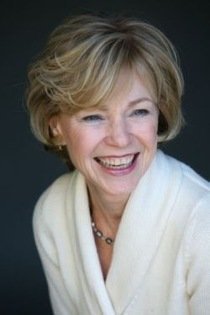
My blogfriend C. Lee McKenzie has a new book out. Doesn't it sound fascinating? (I got my copy yesterday and am really looking forward to reading it) I asked her some questions - and she was generous enough to respond.
I applaud you writing about the invisible/unheard segments of our population. What makes you write about and for under represented populations? Was there any specific event which triggered it?
I have a strong conviction that we should all have a place at this table of life. One of the ways to help that be a reality is through reading. If we read about people who are different from us, there’s a chance we can come to understand them and appreciate them for who they are.
The other side of that coin is reading about people who are just like us, and through their stories, identify with their struggles and come to know we’re not alone after all. How great it is to discover there’s someone out there who “gets” me!
Some of my best moments have been reading something written by an author I will probably never meet and discovering they understand exactly what I’ve felt at some point in my life, but thought no one else did. That’s my best time in a book.
There were a series of things that led to this story. I already had the idea of writing a story about someone overcoming a serious accident and moving on with their life after a struggle. Then I heard a woman speak at one of our library events about her experience becoming paraplegic. Following years of effort, she’s back to being a successful businesswoman. She skis, skydives, and pilots her own plane—all of this using adaptive equipment. After hearing her talk, I knew who my main character would be.
A related question: Can you think of any other sadly underrepresented groups? And are they starting to clamour in your head to be heard.
This answer springs from your next question, Sue. Older women—well, older people in general—are often invisible, especially in our youth-oriented society. I see an attempt to change that, and it’s coming, but so slowly that I’ll be dusty particles by the time it happens.
This group of elders clamors a lot in my head, and for that reason, I include them in my stories for young adults. Being old should not be equated with being useless. Sliding on Edge was my debut novel, and in it, I wrote the character, Kay, the steely grandmother who managed her horse ranch, stood up against anything she didn’t think fair and gave her granddaughter a new start in life. I still like the grandpa in Sudden Secrets because he was eccentric, doing things his way, and not about to let others set him aside because of his age.
And another related question.
I belong to two largely invisible segments of the population. I am an older woman and I have a disability. There are now books about both (or where we at least make an appearance), but I have noticed a tendency to either demonise or mythologise us. Have you noticed that and if so how did you avoid it?
I have noticed this, but truthfully, only since I began to write this book. One of the dichotomies about those with disabilities is exactly what you’ve written; in films, they’re either in dark despair (Passion Fish, a movie from 1992) or they’re mythical (Avatar, 2009)!
How much better it would be if we saw people with disabilities as people first—people with different abilities and different interests who are making their way through life as moms, dads, husbands, wives, friends. They may have to adapt—rely on prostheses, or wheelchairs, or medication, but that doesn’t mean they’re not more like the “abled” community than not. Besides, I’ve come to understand that we’re all disabled in some way. We all must learn to adapt to survive—with a sudden change or slowly as we age.
I hope I've avoided falling into either camp you've described. Libby does have a struggle; her life was completely changed in one day. But I focused on how life-altering events can turn all of our worlds upside down and how anyone would cope. We'd deny, despair, become angry, then we'd rebuild our lives. Things will never be as they once were, but we will have a life again.
Thanks for your great questions. They made me go back into the story again and remember why I wrote it.
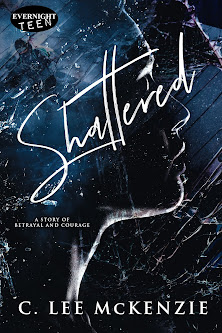
Now on NetGalley for download and review.