Today,
September 10th, is World Suicide Prevention Day, and the start of World
Suicide Prevention Week. I spend time in the dark places myself and
know both how fast and easy the plummet to the bottom can be and how
very hard it is to see the light at the end of the proverbial tunnel much less climb out again.
Most of you know I do voluntary work with Lifeline Australia, a telephone crisis line. Almost everyone who rings those lines with thoughts of suicide has at least a degree of ambivalence. I, and all the other volunteers, will work on that ambivalence to keep the caller safe for the moment/the day and to help them see and consider other options. Lifeline believes that suicide is often preventable and that the start of the journey to safety can be only a phone call away. It is often a long and painful journey but should never ever be one that people feel condemned to walk alone.
Here in Australia suicide is still the leading cause of death for people aged under 44. More people die from suicide each year than are killed on the roads. Sadly the numbers of people we lose to suicide are rising again. Which, given that I suspect suicide is under reported, is scary.
Not only does suicide take its toll on our young, there are other groups who are over-represented in its tragic ranks including (but not limited to) our indigenous population, the LGBTQI community, people with mental health issues, farmers, tradesmen, the unemployed, and the military. Sadly we lose many more of our military personnel (serving and veterans) to suicide than we do in the theatre of war. While we still lose more men to suicide than women, the numbers of women who die by suicide is climbing (an equality I don't want).
Our suicide rate isn't the highest in the world but the rate in Australia is above the World Health Organisation's (WHO) global average.
Most of you know I do voluntary work with Lifeline Australia, a telephone crisis line. Almost everyone who rings those lines with thoughts of suicide has at least a degree of ambivalence. I, and all the other volunteers, will work on that ambivalence to keep the caller safe for the moment/the day and to help them see and consider other options. Lifeline believes that suicide is often preventable and that the start of the journey to safety can be only a phone call away. It is often a long and painful journey but should never ever be one that people feel condemned to walk alone.
Here in Australia suicide is still the leading cause of death for people aged under 44. More people die from suicide each year than are killed on the roads. Sadly the numbers of people we lose to suicide are rising again. Which, given that I suspect suicide is under reported, is scary.
Not only does suicide take its toll on our young, there are other groups who are over-represented in its tragic ranks including (but not limited to) our indigenous population, the LGBTQI community, people with mental health issues, farmers, tradesmen, the unemployed, and the military. Sadly we lose many more of our military personnel (serving and veterans) to suicide than we do in the theatre of war. While we still lose more men to suicide than women, the numbers of women who die by suicide is climbing (an equality I don't want).
Our suicide rate isn't the highest in the world but the rate in Australia is above the World Health Organisation's (WHO) global average.
In 2011 Lifeline began national suicide prevention walks - 'Out of the Shadows and into the Light'. The walks begin before dawn and continue into the growing light. It remembers those lost and those bereaved by suicide, with an additional focus on raising awareness. The symbolism of starting the walk in the dark and progressing into the light of a new day means a lot to me. Some centres start their walk later (ten or eleven) to attract more people and publicity. I can see why, but am glad that our walks start in the dark.
I don't think that all suicide is wrong. However, it is such a final decision that I hope it is not the first option considered or tried. And, as a solution to a temporary problem, I do think it is wrong. Right or wrong it is always a tragedy. A tragedy for the person who had, or believed they had, no other options and a tragedy for those they leave behind. And the ripples from that tragedy encompass a lot of people. Research shows that each time someone suicides, there are up to 135 people affected. In addition there is strong evidence that if someone close to you dies by suicide your own chances of taking that path are dramatically increased.
I couldn't attend the first walk, but have gone on all the subsequent walks.
This
year the walk started from the National Carillon again.
This morning I headed off
again before dawn, grateful for the opportunity.The dread disease slows
me down, ensures my gait is wobbly and uneven and is painful. The
issue is much more important than I am. So I walked. Slowly just as I
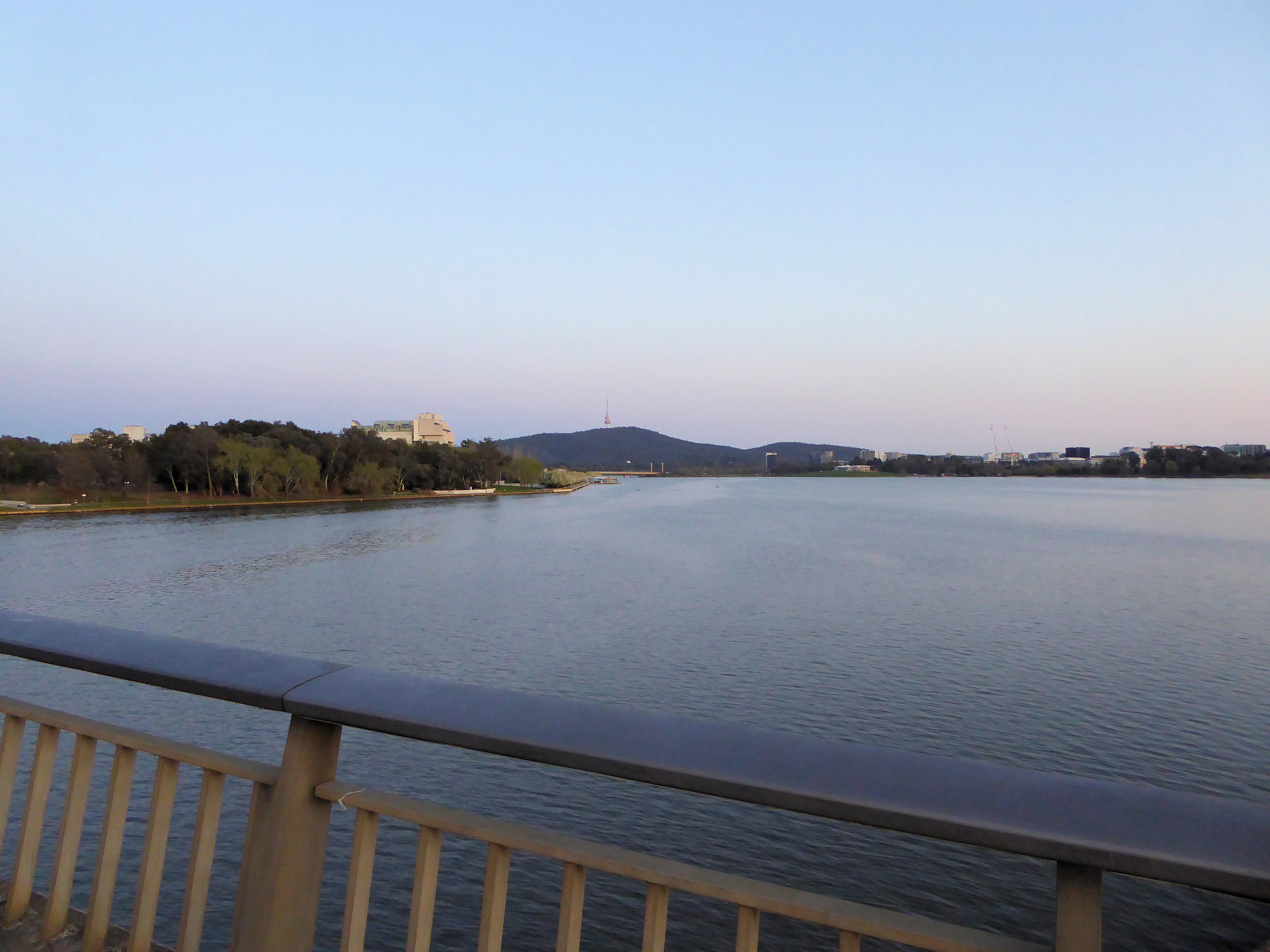
do every year. Stopping to take photos.
There were brief speeches. Some of the names those lost were read out - which I find moving. Sadly the list grows each year. As I have done for a number of years, I added the name of the father of a friend of mine. His family understood why he took that step but continue to mourn and grieve for the opportunity lost to say goodbye. This ceremony means that people are no longer nameless, but identified and missed. The names were read out by a local politician.
There were brief speeches. Some of the names those lost were read out - which I find moving. Sadly the list grows each year. As I have done for a number of years, I added the name of the father of a friend of mine. His family understood why he took that step but continue to mourn and grieve for the opportunity lost to say goodbye. This ceremony means that people are no longer nameless, but identified and missed. The names were read out by a local politician.
This
morning we were again given a song. A song written by a talented
performer and tagged as a favourite by someone later died by suicide in
the studio in which it was created.
Tears were shed. Tears were shared.
Come walk with me, through the chilly dawn, into the hopeful light of a new day (culminating in a cuppa with the other walkers).
The
empty chairs from other years have been replaced with candles to
symbolise the light(s) lost. This year we ran out of candles. Which is sad and bad.




RU OK day is also celebrated in World Suicide Prevention Week. A simple question we should be asking family, friends and colleagues every day.


Some services and links which may be useful for Australian readers include:
Lifeline 1311 14
Beyond Blue 1300 224 636
Suicide Call Back Service 1300 659 467